|
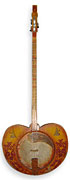 To set up a workhouse for making traditional musical instruments in the Tuvan capital - this is a conclusion made by folk craftsmen producing traditional instruments as a result of their 3-days discussion. A seminar devoted to the problems and prospects of the Tuvan traditional instruments was organized by the Centre of Folk Arts headed by Zoya Mongush. The seminar was initiated as a continuation of the professional conversation started in May, when a contest for the title of the best maker of traditional instruments was held in Kyzyl. 25 masters from 6 districts and the city of Kyzyl competed for this title. They submited to the jury headed by music expert Valentina Suzikei 105 musical To set up a workhouse for making traditional musical instruments in the Tuvan capital - this is a conclusion made by folk craftsmen producing traditional instruments as a result of their 3-days discussion. A seminar devoted to the problems and prospects of the Tuvan traditional instruments was organized by the Centre of Folk Arts headed by Zoya Mongush. The seminar was initiated as a continuation of the professional conversation started in May, when a contest for the title of the best maker of traditional instruments was held in Kyzyl. 25 masters from 6 districts and the city of Kyzyl competed for this title. They submited to the jury headed by music expert Valentina Suzikei 105 musical 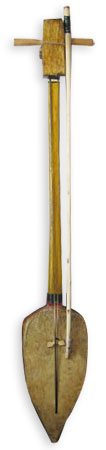 instruments – igil, byzaanchy, chadagan, doshpuluur, chanzy, khomus, kengirge, dungur, limbi, shoor, ediske, murgul. In the first round the judges estimated the acoustic parametres of the instruments listening to their sound from behind the curtain to maintain anonimity of the master. In the second round the masters should have acquainted the jury with their personal methods, materials, secrets. instruments – igil, byzaanchy, chadagan, doshpuluur, chanzy, khomus, kengirge, dungur, limbi, shoor, ediske, murgul. In the first round the judges estimated the acoustic parametres of the instruments listening to their sound from behind the curtain to maintain anonimity of the master. In the second round the masters should have acquainted the jury with their personal methods, materials, secrets. Aldar Damdyn, teacher at the Kyzyl Art School, musician in the Tuvan Traditional Instruments Orchestra, was recognized the best one. This time the discussion span around the mismatch in the popularity of Tuvan music and increased demand for it all over the world and the insufficient production of Tuvan traditional instruments. The masters spoke of the necessity to stick to the old tradition and to avoid unification of the styles in an attempt to adapt Tuvan intstruments to a westernized orchestra sound. For example, a horse hair in an igil is very often substituted by a more durable fishing line. But it makes an igil sound completely different. Valentina Suzukei attracted attention of the young performers to their present limited use of the instruments, just as an accompaniment of their vocal improvisations. It is so because due to their young age they have not managed to hear the old masters' practices - the elderly used Tuvan instruments as a self-sufficient musical form and their instrumental creations provoked the same admiration at the audience as now Tuvan songs do. The conclusion made at the seminar was unanimous - every master should preserve his own style.
|
|


 Every Tuvan Maker of Traditional Instruments should Preserve his Own Style